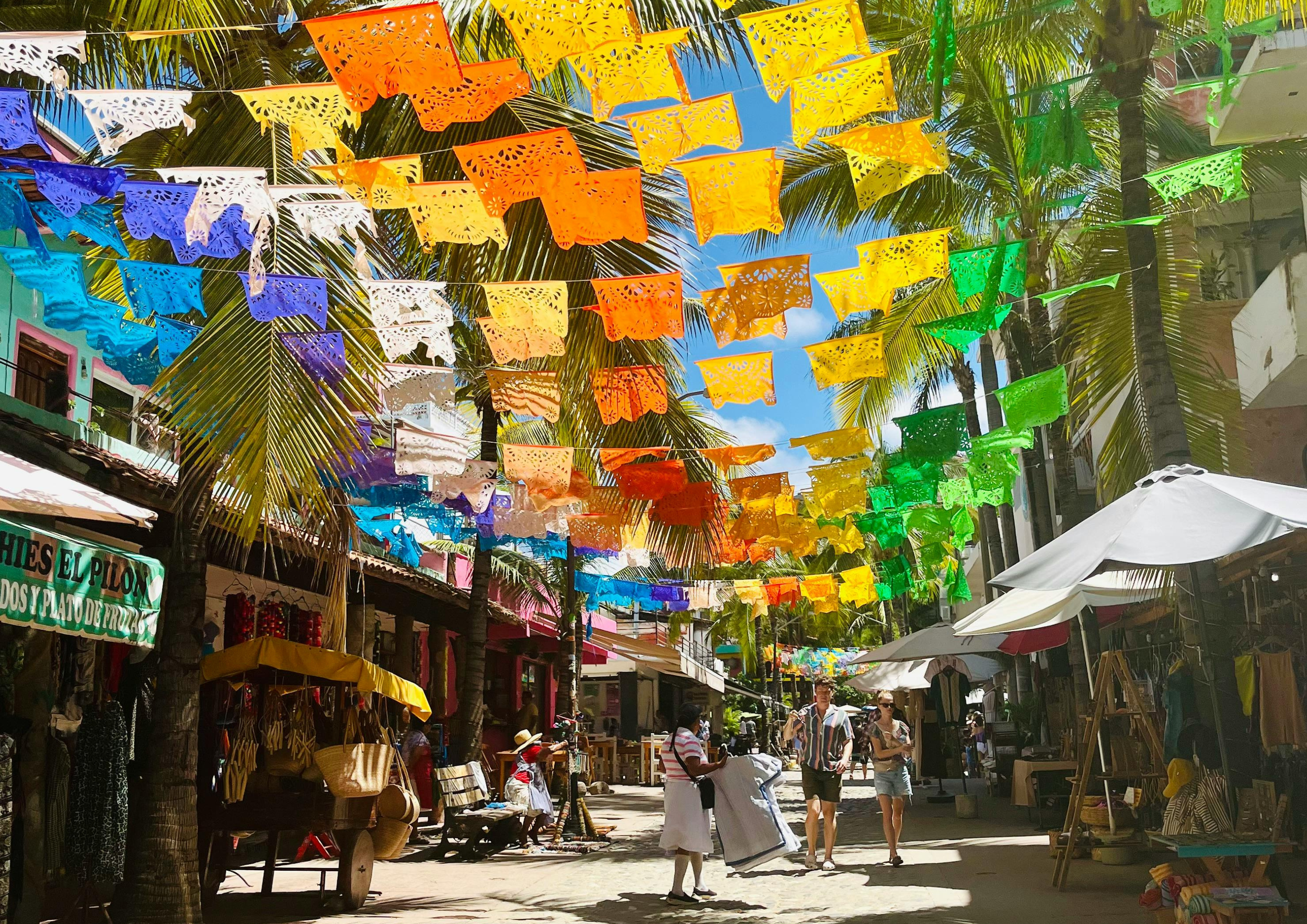
TEFL Travel Guide: Mexico
If you’ve ever dreamed of living somewhere vibrant, colourful, and full of culture while teaching English, Mexico might just be your perfect destination. From the bustling streets of Mexico City to the beachside calm of Playa del Carmen, Mexico offers a unique blend of adventure, warmth, and opportunity for TEFL teachers.
TEFL Requirements
Getting started in Mexico is fairly straightforward for most native English speakers. You’ll need a TEFL Certificate - most schools require at least a 120-hour accredited TEFL certification. This shows you have the basic teaching skills and knowledge. A Bachelor’s Degree is not always mandatory, but preferred for positions at universities or higher-end private schools.
To legally work in Mexico, you’ll need a FM3 or Temporary Resident Visa with work permit. Some schools assist with this process, but many positions for English teachers are available on a tourist visa (though technically not legal for full-time work, this is common for freelance teaching). Experience is helpful but not always required. Private schools, language centres, and online platforms often hire teachers with little experience if you’re TEFL certified.
Finding Work in Mexico
Language Schools and Private Institutes: Expect a salary of around $8–$15 USD per hour (~145–270 MXN / ~£6–£12 GBP). The typical schedule is around 20–30 hours per week.
Language schools and private institutes are the most common entry point for TEFL teachers. They offer a structured curriculum, consistent hours, and the chance to connect with other English teachers. The pay varies by experience and city, but it’s usually enough to live comfortably in most Mexican cities. Mexican cities to consider are Mexico City, Guadalajara, and Monterrey.Public Schools: Expect a salary of around $600–$1,000 USD per month (~10,800–18,000 MXN / ~£480–£800 GBP). Teaching in public schools is rewarding if you enjoy working with children and want to experience authentic Mexican life. While the salary is modest, it often comes with stable hours and long-term contracts, especially in smaller towns or rural areas. However, it’s important to consider that some jobs might have lower pay, more bureaucratic paperwork and there can sometimes be larger class sizes.
Universities: Expect a salary of around $1,000–$1,500 USD per month (~18,000–27,000 MXN / ~£800–£1,200 GBP). University teaching positions are ideal for certified and experienced teachers. They offer higher salaries than public schools and private institutes, often including benefits like health insurance and vacation time. Classes are generally smaller and students are more motivated. You’ll usually need to have a degree or teaching experience to work in a university.
Private Tutoring/Freelance Teaching: Expect a salary of around $10–$25 USD per hour (~180–450 MXN / ~£8–£20 GBP). Private tutoring is a great way to supplement income or work independently. You can teach one-on-one or in small groups, tailoring lessons to your students’ needs. Pay can exceed language school rates if you specialise or work with professional adults. Private tutoring means you have control of your schedule and you can take on as much work as you choose. It can sometimes be hard to get going, and hours be inconsistent while you set up your client base.
Online Teaching from Mexico: Teaching online from Mexico allows you to work for international platforms while enjoying the flexibility of remote work. You can travel around the country while maintaining a steady income. Often with pay similar to private tutoring ($10–$25 USD per hour / ~180–450 MXN / ~£8–£20 GBP). Online teaching is perfect for TEFL teachers who want freedom, flexible hours, and the opportunity to connect with students worldwide while living in Mexico.
Life in Mexico
Living in Mexico can be both affordable and exciting, offering a vibrant lifestyle that appeals to many TEFL teachers. The cost of living is generally lower than in Europe, with rent in Mexico City typically ranging from $400–$700 USD per month (£320–£560 / ~7,200–12,600 MXN) for a one-bedroom apartment, while popular beach destinations like Tulum or Playa del Carmen tend to be more expensive.
Food is a major highlight, with an incredible variety of local dishes such as tacos, tamales, and fresh seafood, and street food is not only delicious but also affordable and generally safe in most areas. Getting around is easy thanks to cheap public transport in cities, as well as buses and collectives that connect towns and regions, meaning owning a car is often unnecessary unless you plan to live in more rural areas.
Daily life is rich in culture, with festivals, colourful markets, and historic towns forming part of the everyday experience, all complemented by warm weather in many parts of the country throughout the year. As for safety, it varies by region, so it’s important to research your chosen location, stay aware of your surroundings, and follow local advice to ensure a safe and enjoyable experience.
To make the most of your TEFL experience in Mexico, it’s a great idea to learn some basic Spanish, as this will help you navigate daily life and build stronger connections with your students. Networking is also important, so joining Facebook groups or attending local meetups can help you meet other teachers, share advice, and find new opportunities. Many teachers choose to start with private tutoring to supplement their income, as it offers flexibility and the chance to earn more.
Be sure to explore the country during your time off, whether that means visiting the ancient Mayan ruins in Yucatán or discovering charming colonial towns like San Miguel de Allende, making your teaching journey as enriching outside the classroom as it is within it.